

Here’s something that should bother you: fewer than one-third of websites use schema markup at all, and most of those are slapping on a basic Organization or WebPage type and calling it a day. That’s not a strategy — that’s checking a box. If advanced schema markup is on your radar, you already understand there’s a deeper game being played here.
I’ve been doing SEO for over 20 years, and I can tell you that structured data SEO is one of the most consistently underused levers in the entire discipline. Not because it’s hard, but because most people stop at the surface level. They implement the basics, see no immediate fireworks, and move on.
That’s a mistake that’s getting more expensive every year — especially now that Google’s AI Overviews are pulling from structured data to populate generative answers, and platforms like Perplexity and ChatGPT are using schema as a trust signal for entity verification.
In this post, I’m going to walk you through what advanced schema markup actually looks like in practice — not the theory, but the real implementation decisions that separate sites winning rich results on Google from those getting passed over. We’ll cover JSON-LD schema as the gold standard, high-impact schema types worth your time, entity relationship mapping, and how to measure whether any of it is actually working.
Why JSON-LD Schema Is the Only Format Worth Using in 2026
Let me settle this quickly: if you’re still implementing schema via Microdata or RDFa embedded in your HTML, you’re making your life harder for no good reason. JSON-LD (JavaScript Object Notation for Linked Data) is Google’s preferred format for structured data SEO, and it’s the clear industry standard for a reason.
The core advantage is separation of concerns. JSON-LD schema lives in a <script> tag — it doesn’t touch your HTML structure. That means you can update your structured data without risking a layout break, and a developer or tag manager can inject it without needing to rewrite templates.
I’ve worked with clients who had Microdata baked so deeply into their CMS templates that updating a single schema property required a full development sprint. With JSON-LD, that same update is a five-minute tag manager change. The maintainability difference is real and it compounds over time.
JSON-LD is also far easier to validate, debug, and audit. Google’s Rich Results Test reads it cleanly, and Schema.org’s validator gives you immediate feedback. If you’re building interconnected entity graphs (more on that in a minute), JSON-LD’s nested structure makes those relationships explicit and readable — which is exactly what Google needs to confidently surface your content as a rich result.
Practical takeaway: If your site uses Microdata or RDFa, prioritize migrating to JSON-LD schema on your highest-traffic pages first. Use Google Tag Manager for injection if you don’t have direct template access.
The Structured Data Types That Actually Move the Needle for Rich Results
Not all schema types are created equal when it comes to structured data SEO. In November 2025, Google deprecated seven structured data types effective January 2026. I’ve seen some people interpret that as a sign that schema is losing relevance. That’s exactly backwards — what Google did was prune the low-ROI types to focus attention on the ones that genuinely drive rich results on Google.
Here’s where I’d focus your energy right now:
Product Schema for Rich Results
If you run an ecommerce site or a site with any product listings, this is non-negotiable. Product schema with complete attributes — price, availability, reviews, SKU — dramatically improves your visibility in Google Shopping and product-specific rich results. The data point I keep coming back to is that products with complete structured data are reportedly 4.2x more likely to appear in Google Shopping results. That’s not a marginal gain; that’s a structural advantage over competitors who skip it.
Complete means complete. Don’t just add the product name and price. Include aggregateRating, offers with priceValidUntil, availability using the Schema.org enumeration values, and brand as a nested entity. Partial product schema gets partial rich results.
Review and AggregateRating Schema
Star ratings in search results are one of the most visible CTR drivers available to you. But Google has tightened its guidelines here — you cannot use AggregateRating on pages that don’t genuinely reflect user reviews. Self-serving ratings get filtered or penalized. If you have a legitimate review generation system in place (I wrote about building one that runs on autopilot), make sure your review schema reflects real aggregate data from those reviews. This is one area where advanced schema markup discipline pays off directly in rich results on Google.
Event Schema and Structured Data
If you run events — even webinars or virtual workshops — Event schema gets you into Google’s event rich results and the event carousel. Include startDate, endDate, location (or VirtualLocation for online events), organizer, and offers for ticketed events. This is one of the most underused structured data SEO opportunities for B2B companies.
Video Schema for Rich Results
Video carousels are still a significant visibility opportunity, especially for how-to and tutorial content. VideoObject schema with thumbnailUrl, uploadDate, duration, and a solid description helps Google surface your video content in dedicated video rich results. If you’re embedding YouTube videos on your pages, add VideoObject JSON-LD schema to the page — don’t assume Google will pick it up automatically from the embed.
FAQ and HowTo Schema
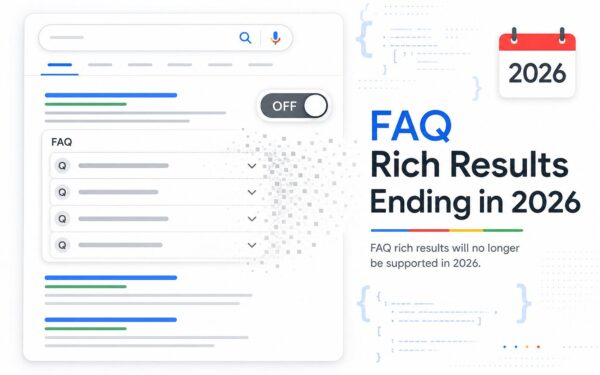
These two have had an interesting history in structured data SEO. Google pulled FAQ rich results from most sites in 2023, limiting them to authoritative government and health sites. HowTo rich results similarly got restricted on desktop. That said, the underlying structured data sti
ll has real value. The data tells you what entities you’ve established in Google’s understanding, and structured data that reinforces those entities helps Google connect your content to the broader knowledge graph. That’s worth implementing — just don’t expect the visual rich result treatment you’d get from Product or Recipe schema.
Entity Relationship Mapping: The Part Most SEOs Skip Entirely
Here’s where advanced schema markup gets genuinely powerful — and where most implementations fall short. Individual schema types are useful. A network of connected schema types, properly cross-referenced, is transformative for how Google understands your site’s entity authority.
The concept is simple: Google doesn’t just see your pages in isolation. It builds a knowledge graph of entities — people, organizations, products, places — and the relationships between them. Your JSON-LD schema can explicitly declare those relationships, which gives Google the signal it needs to treat you as the authoritative source on a topic.
Here’s what entity relationship mapping looks like in practice:
Start with your Organization schema on every page — not just your homepage. Include your sameAs property pointing to your verified social profiles, your Wikidata or Wikipedia entry (if you have one), your Google Business Profile, and any authoritative industry directories where you’re listed. This is how Google resolves your brand entity with confidence.
Next, connect your Author schema to your Organization. Every article should have author as a nested Person entity with a name, a url pointing to their author page, and ideally a sameAs linking to their LinkedIn profile or Twitter. This is how you establish E-E-A-T signals structurally — not just through the content itself, but through the entity graph you’re building around the author.
Then connect your content to higher-level topical entities using about and mentions properties. If you write a post about SEO audits and mention Google Search Console, declare it: "mentions": {"@type": "SoftwareApplication", "name": "Google Search Console"}. These explicit mentions help Google map your content to the knowledge graph of established entities.
The compounding effect here is real. Sites with tightly cross-referenced entity graphs tend to see stronger rich results on Google over time, better performance in AI-powered search features, and improved topical authority scores. It’s not a one-and-done implementation — it’s a content architecture decision that pays off as your site grows.
How to Validate and Measure Whether Your Schema Is Actually Working
This is where most structured data SEO efforts fall apart. People implement schema, assume it’s working, and never check. Here’s the validation workflow I recommend:
Step 1: Google’s Rich Results Test
Before anything else, run every page with new schema through Google’s Rich Results Test (search.google.com/test/rich-results). This tells you exactly which rich result types Google can detect on your page, any errors or warnings in your implementation, and whether your page is eligible for rich results. It won’t tell you if you’ll actually get rich results — eligibility is necessary but not sufficient — but it catches implementation errors before they waste your time.
Step 2: Google Search Console — Enhancements Report
Once your schema is deployed and indexed, Google Search Console’s Enhancements section breaks down each structured data type it’s detected across your site. You’ll see valid items, warnings, and errors — organized by schema type. Monitor this weekly. A spike in errors typically means a template change broke your injection, and catching it fast limits the damage.
Step 3: Schema Coverage and Click-Through Rate
The real measurement is in your Search Console Performance data. Filter by pages that have schema implemented and track their CTR over the 90 days before and after implementation. Rich results — when they appear — consistently show higher CTRs than standard listings for the same position. If your CTR isn’t moving on schema-enabled pages, either the rich results aren’t triggering (check the Rich Results Test) or your content doesn’t match the intent triggering those rich results.
Step 4: Third-Party Validators
Schema.org’s official validator (validator.schema.org) and Merkle’s Schema Markup Validator are both worth running, especially for complex nested entity graphs. They’ll catch type mismatches and property errors that Google’s tools sometimes miss. I run these as part of any technical SEO audit where structured data is in scope.
The Bottom Line on Advanced Schema Markup
Here’s the honest summary: advanced schema markup isn’t a silver bullet, and it’s not a quick win. Implementing it correctly takes time, requires ongoing maintenance, and the results — richer search appearances, stronger entity authority, better performance in AI-powered search — compound over months, not days.
But that’s exactly why it’s worth doing. Most of your competitors are either skipping schema entirely or implementing the minimum. A well-executed structured data SEO strategy — JSON-LD schema, connected entity graphs, consistent validation — gives you a structural advantage that’s genuinely difficult to replicate quickly.
Start with your highest-traffic pages. Implement the schema types most relevant to your content. Connect your entities deliberately. Validate religiously. And check your Search Console Enhancements report weekly.
If you want a practical starting point, run Google’s Rich Results Test on your five most important pages right now. The errors you’ll find in the first ten minutes will tell you exactly where to begin.
Have questions about implementing a specific schema type or building out your entity graph? Drop them in the comments — I read every one.
Technical SEO cluster: Advanced schema should support a broader technical foundation. Pair this with my technical SEO audit checklist and the simpler schema markup primer.