

After 20 years in SEO, I’ve seen countless tactics come and go. But schema markup isn’t just another optimization trick—it’s become the backbone of how search engines and AI systems understand your content. In 2024, I watched clients achieve 20-40% higher click-through rates simply by implementing structured data correctly.
The numbers don’t lie: 72.6% of first-page Google results now use schema markup, and pages with rich results see an 82% higher CTR than standard listings. If you’re not using structured data, you’re essentially fighting with one hand tied behind your back.
What Schema Markup Actually Does (Beyond the Technical Jargon)
Think of schema markup as a translator between your website and search engines. While humans can look at your page and understand that “$29.99” next to a product image means the price, search engines need explicit instructions.
Schema markup provides those instructions using a standardized vocabulary that search engines universally understand. It’s like adding invisible labels to every piece of content on your page—”This is the price,” “This is a review,” “This is the author.”
I learned this lesson the hard way with a client’s recipe blog. Their beautiful food photography and detailed instructions weren’t showing up in recipe carousels because Google couldn’t identify the cooking time, ingredients, or nutrition information. After implementing Recipe schema, their organic traffic jumped 156% in three months.
The AI Revolution Changes Everything
Here’s what most marketers miss: schema markup isn’t just about traditional SEO anymore. With AI Overviews, ChatGPT, and other AI systems becoming primary discovery channels, structured data has become critical infrastructure.
Pages with valid schema markup are 2-4x more likely to appear in Google’s AI Overviews. Why? Because AI systems need structured information to provide accurate, citable answers. When I implemented Entity Linking schema for a B2B client, their AI Overview visibility increased by nearly 20%.
This shift reminds me of how I’ve adapted my own workflow to leverage AI tools. The same principle applies—you need to speak the language these systems understand.
Types of Schema That Actually Move the Needle
Organization and LocalBusiness Schema
Every business website should start here. Organization schema tells search engines who you are, what you do, and how to contact you. For local businesses, LocalBusiness schema is non-negotiable—it feeds directly into Google Business Profiles and local pack results.
I’ve seen local restaurants increase phone calls by 35% just by properly implementing LocalBusiness schema with accurate hours, location, and menu information.
Article and BlogPosting Schema
Content creators, this is your bread and butter. Article schema helps your content appear in Top Stories carousels and provides rich snippets with publish dates, author information, and article summaries.
The key is accuracy. Google’s algorithms are sophisticated enough to detect when your schema doesn’t match your actual content, which can hurt rather than help your rankings.
Product and Review Schema
E-commerce sites without Product schema are leaving money on the table. Products with complete schema markup are 4.2x more likely to appear in Google Shopping results.
Review schema is equally powerful. Those star ratings you see in search results? That’s Review schema at work, and it can dramatically increase click-through rates even for non-e-commerce sites.
Implementation That Actually Works
JSON-LD: The Clear Winner
Google recommends JSON-LD format, and after testing all three options (JSON-LD, Microdata, and RDFa), I agree. JSON-LD is cleaner, easier to maintain, and less likely to break when you update your site design.
Here’s a simple example for a blog post:
<script type="application/ld+json">

{

  "@context": "https://schema.org",

  "@type": "BlogPosting",

  "headline": "Your Article Title",

  "author": {

    "@type": "Person",

    "name": "Jonathan Alonso"

  },

  "datePublished": "2024-01-15",

  "image": "https://example.com/image.jpg"

}

</script>
Tools That Save Time and Prevent Mistakes
Don’t code schema manually unless you enjoy debugging. I use Google’s Structured Data Testing Tool for validation and schema generators for quick implementation.
For WordPress users, plugins like Schema Pro or RankMath handle most common schema types automatically. But always validate your output—I’ve seen plugins generate invalid schema that actually hurt rankings.
Common Mistakes That Kill Results
Over-Marking Content
More isn’t always better. I’ve seen sites mark every paragraph as a “Thing” or add unnecessary schema types. This confuses search engines and can trigger manual penalties.
Focus on the schema types that match your actual content and business goals. A simple blog doesn’t need Event schema, and a local restaurant doesn’t need Software Application schema.
Inconsistent Information
Your schema markup must match your visible content exactly. If your schema says a product costs $19.99 but your page shows $24.99, Google will ignore your markup entirely.
I audit schema quarterly because prices, hours, and contact information change frequently. Set calendar reminders—trust me on this one.
Measuring Schema Success
Don’t just implement and forget. Track these metrics in Google Search Console:
- Rich result appearances
- Click-through rates for pages with schema
- Impressions in relevant SERP features
- Structured data errors and warnings
I also monitor broader SEO metrics because schema improvements often correlate with overall ranking improvements.
The Future of Structured Data
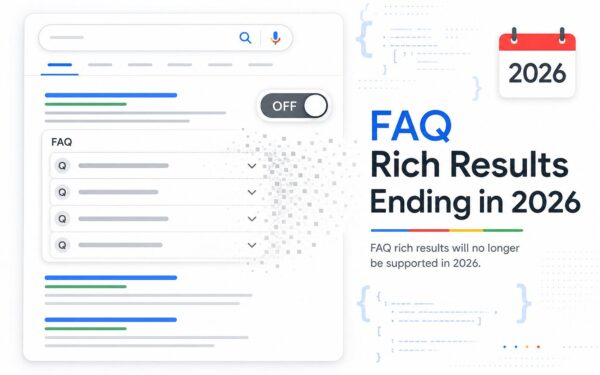
Schema markup is evolving rapidly. Google deprecated seven structured data types in 2025, but they’re also expanding support for multimedia content, real-time data, and AR/VR applications.
The trend is clear: search engines want more semantic understanding, not less. AI systems need structured data to provide accurate answers, and that dependency will only increase.
My advice? Start with the basics—Organization, Article, and Product schema—then expand based on your specific content types and business model.
Your Next Steps
Schema markup isn’t optional anymore—it’s table stakes for competitive search visibility. Start with a rich results test of your current pages to see what you’re missing.
Focus on accuracy over complexity, validate everything, and monitor your results. The 40% CTR improvements are real, but only if you implement structured data correctly.
Ready to boost your click-through rates with schema markup? Start with your most important pages and expand from there. Your future self (and your analytics) will thank you.
Frequently Asked Questions
How long does it take for schema markup to show results?
Google typically processes new schema markup within 1-2 weeks, but rich snippets can appear as quickly as 24-48 hours after implementation. The key is ensuring your markup is valid and matches your visible content exactly.
Can schema markup hurt my SEO if implemented incorrectly?
Yes, invalid or misleading schema markup can result in manual penalties or cause Google to ignore your structured data entirely. Always validate your markup using Google’s testing tools and ensure it accurately reflects your page content.
Do I need schema markup on every page?
Not every page needs schema markup, but key pages like your homepage, product pages, blog posts, and contact page should have relevant structured data. Focus on pages that drive the most traffic or conversions first.
What’s the difference between schema markup and rich snippets?
Schema markup is the code you add to your website, while rich snippets are the enhanced search results that may appear because of that markup. Schema markup enables rich snippets, but Google decides whether to display them based on relevance and quality.
Technical SEO cluster: If you are fixing schema, do not do it in isolation. Use this post with my technical SEO audit checklist so markup, crawlability, and page quality improve together.