
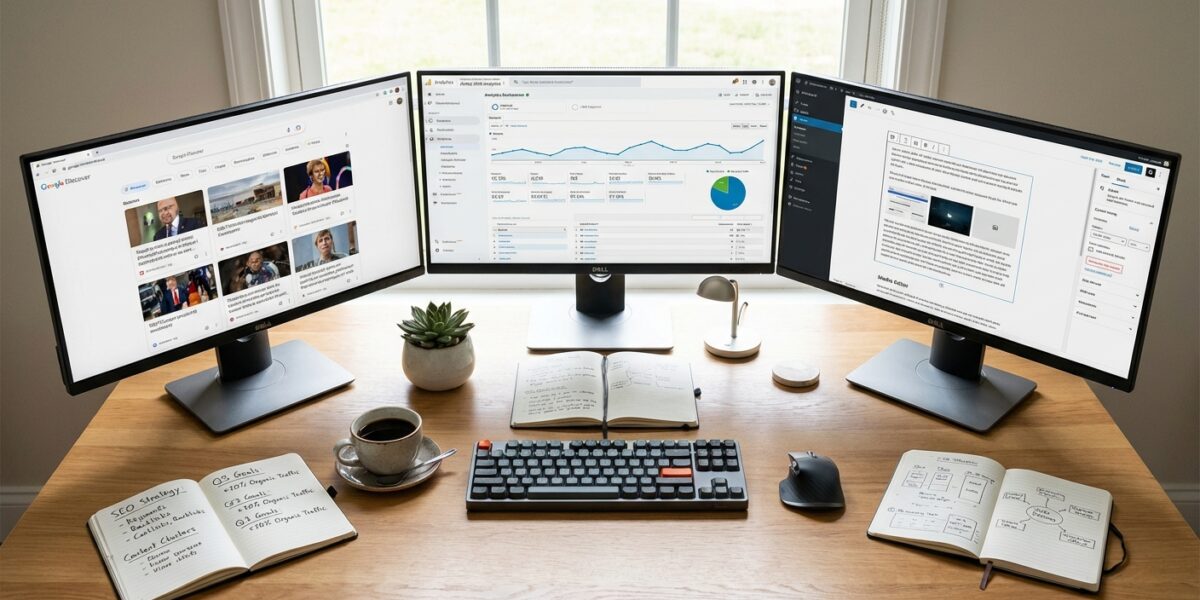
Google just dropped a bombshell that’s shaking up the publishing world. The Google Discover update that rolled out on February 5, 2026, isn’t just another algorithm tweak—it’s a complete rethinking of how content gets surfaced in Google’s personalized feed.
After 20 years in SEO, I’ve seen plenty of updates come and go. But this one’s different. It’s the first time Google has released a core update specifically targeting Discover, and the implications for publishers are massive.
What Exactly Changed in the February 2026 Discover Update
This isn’t your typical core update that affects search rankings across the board. According to Google’s official documentation, the February 2026 update specifically targets how content appears in Google Discover feeds.
The rollout started with English-language users in the US and will expand globally over the next few months. Google expects the full rollout to take up to two weeks for the initial market, which is longer than most updates I’ve tracked.
The Three Big Changes Every Publisher Should Know
Local Relevance Takes Priority: Google now heavily favors content from websites based in the user’s country. If you’re a non-US publisher trying to reach American audiences through Discover, you’re going to feel this one hard.
Death of Clickbait: Sensational headlines and clickbait tactics are getting hammered. I’ve been preaching against these for years—Google finally caught up to what actually serves users.
Topic-Specific Expertise Matters: Here’s where it gets interesting. Google now evaluates expertise on a topic-by-topic basis. Your local news site’s gardening section can rank as expert content, but a random gardening article from a movie review site won’t cut it anymore.
How This Connects to Recent Algorithm Changes
The February 2026 Discover update doesn’t exist in a vacuum. It builds directly on patterns we’ve seen from recent core updates, particularly the massive December 2025 core update that affected 40-60% of websites globally.
That December update hammered affiliate sites (71% saw negative impacts) while rewarding sites with strong E-E-A-T signals. The Discover update follows the same playbook, just with a laser focus on personalized content feeds.
What I’m seeing across my client base mirrors the broader trends from recent algorithm changes: thin AI content is getting crushed while sites with genuine topical authority are thriving.
What This Means for Your Google Discover SEO Strategy
I’ve been optimizing for Discover since it launched, and this update changes everything. Here’s what’s working now and what you need to stop doing immediately.
The New Discover Algorithm Priorities
Geographic Relevance: If you’re targeting users in specific countries, you need content creators and servers in those regions. The days of running everything from a single location are over for Discover optimization.
Demonstrated Experience: Just like the broader E-E-A-T focus I’ve written about, Discover now heavily weights first-hand experience. Original photos, personal anecdotes, and real case studies are goldmines.
Timeliness with Depth: Quick news hits aren’t enough anymore. You need timely content that also provides comprehensive coverage. Think breaking news with expert analysis, not just headline regurgitation.
Content Types That Are Winning Right Now
Based on early data from my clients and industry reports from SEO agencies tracking the update, certain content types are absolutely crushing it in Discover:
- Local news with expert commentary from established regional sources
- How-to guides with original photos and step-by-step documentation
- Industry analysis from companies actually operating in those sectors
- Product reviews with hands-on testing and original photography
What to Do If Your Discover Traffic Tanked
Don’t panic. I’ve helped dozens of publishers recover from algorithm updates, and the playbook here is actually pretty straightforward.
Immediate Assessment Steps
First, check your Google Search Console data. Look specifically at Discover performance over the past two weeks. The update started February 5th, so compare February 6-12 with the previous week.
Next, audit your content against the new criteria. Are you producing clickbait headlines? Is your content genuinely helpful or just SEO-optimized fluff? Be honest—Google’s getting scary good at detecting the difference.
Recovery Strategy That Actually Works
Focus on building topical authority in your core areas. Don’t try to cover everything—pick 2-3 topics where you have genuine expertise and go deep. This aligns with the broader trend I’ve seen in modern SEO strategy.
Invest in original content creation. Hire writers who actually know your industry. Use original photography. Share real case studies and data. The days of rewriting press releases are over.
If you’re targeting international audiences, consider establishing regional content teams or partnerships with local publishers. The geographic relevance factor isn’t going away.
Looking Ahead: What This Means for 2026
This Discover-specific update signals Google’s broader strategy for personalized content. According to analysis from SEO experts tracking recent changes, we’re seeing a clear pattern toward rewarding authentic, experience-driven content.
The writing’s on the wall: generic, templated content is dead. Publishers who adapt to focus on genuine expertise and user value will thrive. Those clinging to old-school SEO tactics will continue bleeding traffic.
My prediction? We’ll see more platform-specific updates like this. Google Search, Discover, YouTube, and other properties will get increasingly tailored algorithm changes rather than broad, one-size-fits-all updates.
Your Next Steps
Stop chasing quick wins and start building for the long term. The February 2026 Discover update rewards publishers who genuinely serve their audiences, not those gaming the system.
Audit your content strategy against these new criteria. Invest in original content creation and topical expertise. And if you’re serious about Discover traffic, consider geographic expansion of your content operations.
Want help navigating these changes? I’ve been through dozens of algorithm updates with my clients, and the publishers who adapt quickly always come out ahead. Reach out if you need a strategic review of your content approach—these changes are too important to handle alone.
Frequently Asked Questions
How long will the February 2026 Discover update take to fully roll out?
Google expects the initial US rollout to take up to two weeks, with global expansion continuing over the following months. The full international rollout could take several more months to complete across all languages and regions.
Will this update affect regular Google Search rankings?
No, this is specifically a Discover-focused update. Your regular search rankings shouldn’t be directly affected, though the content quality principles that work for Discover also align with broader Google ranking factors.
What should publishers do if they’re seeing Discover traffic drops?
Focus on creating original, in-depth content that demonstrates real expertise in your core topics. Eliminate clickbait headlines, invest in original photography and case studies, and ensure your content provides genuine value rather than just targeting keywords.
Does geographic location of my website matter for Discover now?
Yes, significantly. The update prioritizes content from websites based in the user’s country. If you’re targeting international audiences through Discover, consider establishing regional content operations or partnerships with local publishers.